


From Training to Start Line: Fuel Your Best Race
11.03.26
As race day approaches, many athletes focus heavily on their final training sessions. While those workouts are important, the preparation you do in the days and weeks leading up to a race can have just as big an impact on your performance.
Whether you’re preparing for a half marathon, marathon, triathlon, duathlon, aquathlon, aquabike or a swim, arriving at the start line well-fuelled, well-recovered, and physically prepared can make the difference between simply getting through the race and performing at your best.
Below are some key areas athletes should focus on when preparing for a big event.
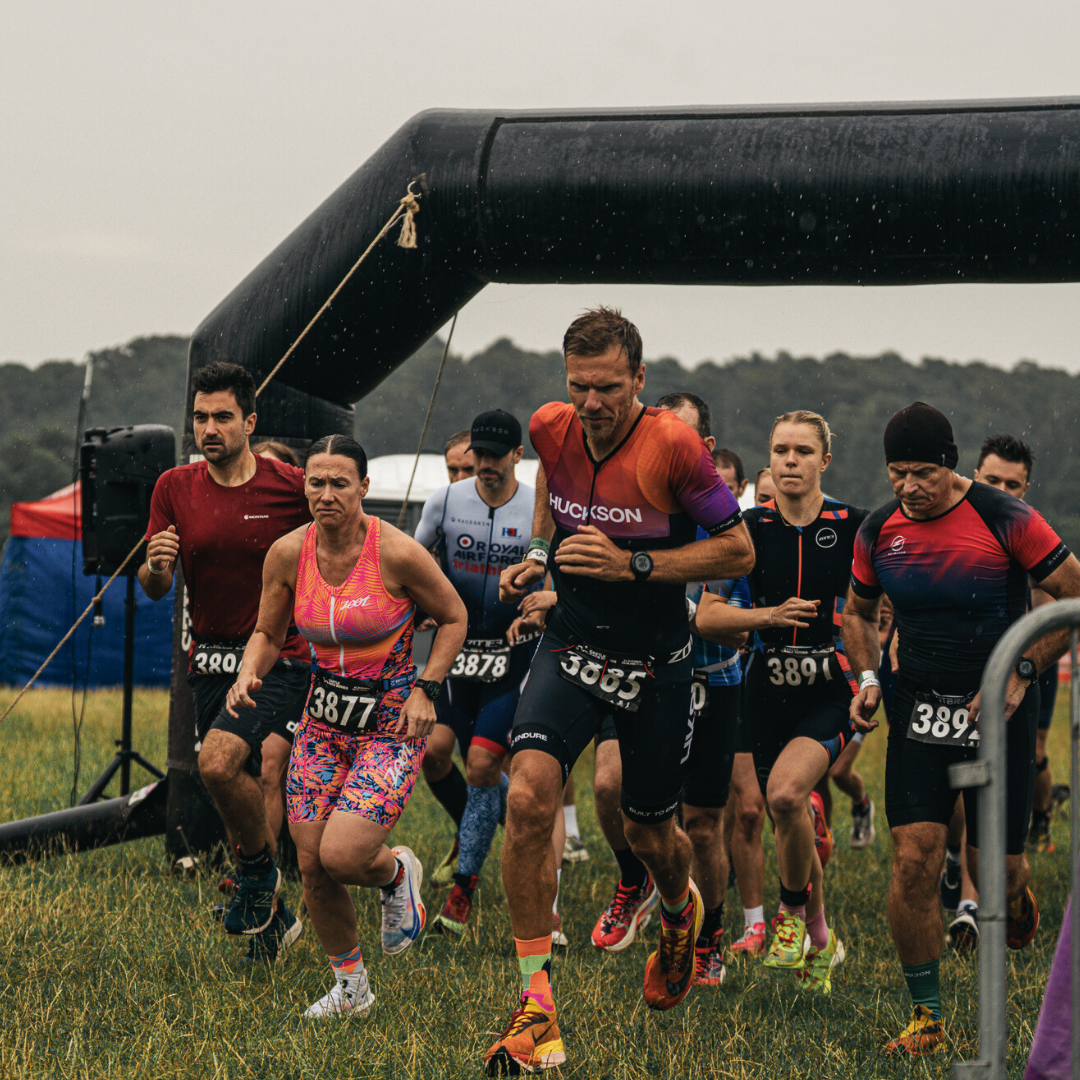
Build a Consistent Training Foundation
For runners, this might mean steadily increasing mileage and including longer runs to prepare for the distance. For athletes competing in triathlons, duathlons, or aquathlons, regular sessions across each discipline help build confidence and fitness.
If you’re looking to elevate your preparation, structured training camps can also be a great option. Organisations like Tri Training Harder offer coached sessions, expert guidance, and the chance to train alongside like-minded athletes — helping you sharpen your skills and build fitness ahead of race season, or grab your coaching plan with them.
A steady, structured approach to training helps ensure you arrive at the start line feeling strong, prepared, and ready to perform.
Strength and Injury Prevention
Endurance training often focuses on distance and time on your feet, but strength and stability are just as important.
Repetitive movements over long periods — such as running or swimming — can place stress on the body, particularly when fatigue sets in. Strength training that targets areas like the core, hips, and lower legs can help improve stability and maintain good technique during longer efforts.
Even short strength sessions each week can help athletes move more efficiently and reduce the risk of common overuse injuries in the lead-up to a race.
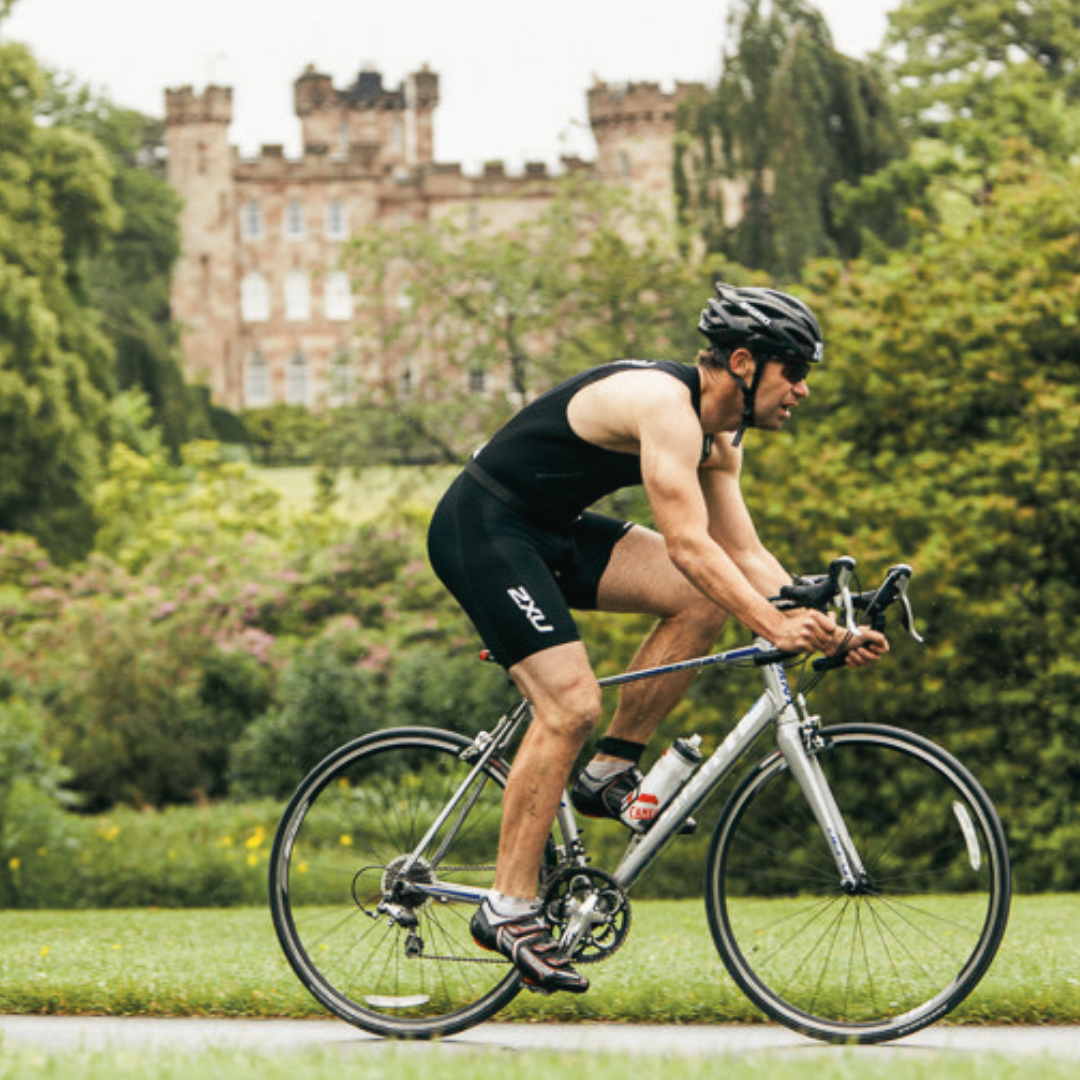

Fuel Your Training Properly
As training volume and intensity increase, your body needs more energy to support both performance and recovery. Skipping meals or under-fuelling can leave you fatigued and limit the quality of your training sessions.
Eating enough — particularly carbohydrates to support endurance training — helps maintain energy levels and ensures your body has the fuel it needs to perform at its best.
Working with fuelling experts can make a big difference. Our Nutrition and On-Course Fuelling partner, truefuels, offers personalised strategies to help you know what, when, and how much to fuel. Their guidance ensures you get the most out of training and arrive at race day ready to perform. You can learn more about them in our recent blog.
Stay Hydrated
Hydration plays a key role in both performance and recovery.
Training, particularly longer runs or sessions in warmer conditions, increases fluid loss through sweat. Staying well hydrated throughout the day helps maintain energy levels and supports overall training quality.
Developing a consistent hydration strategy during training also helps you understand what works best for you on race day.
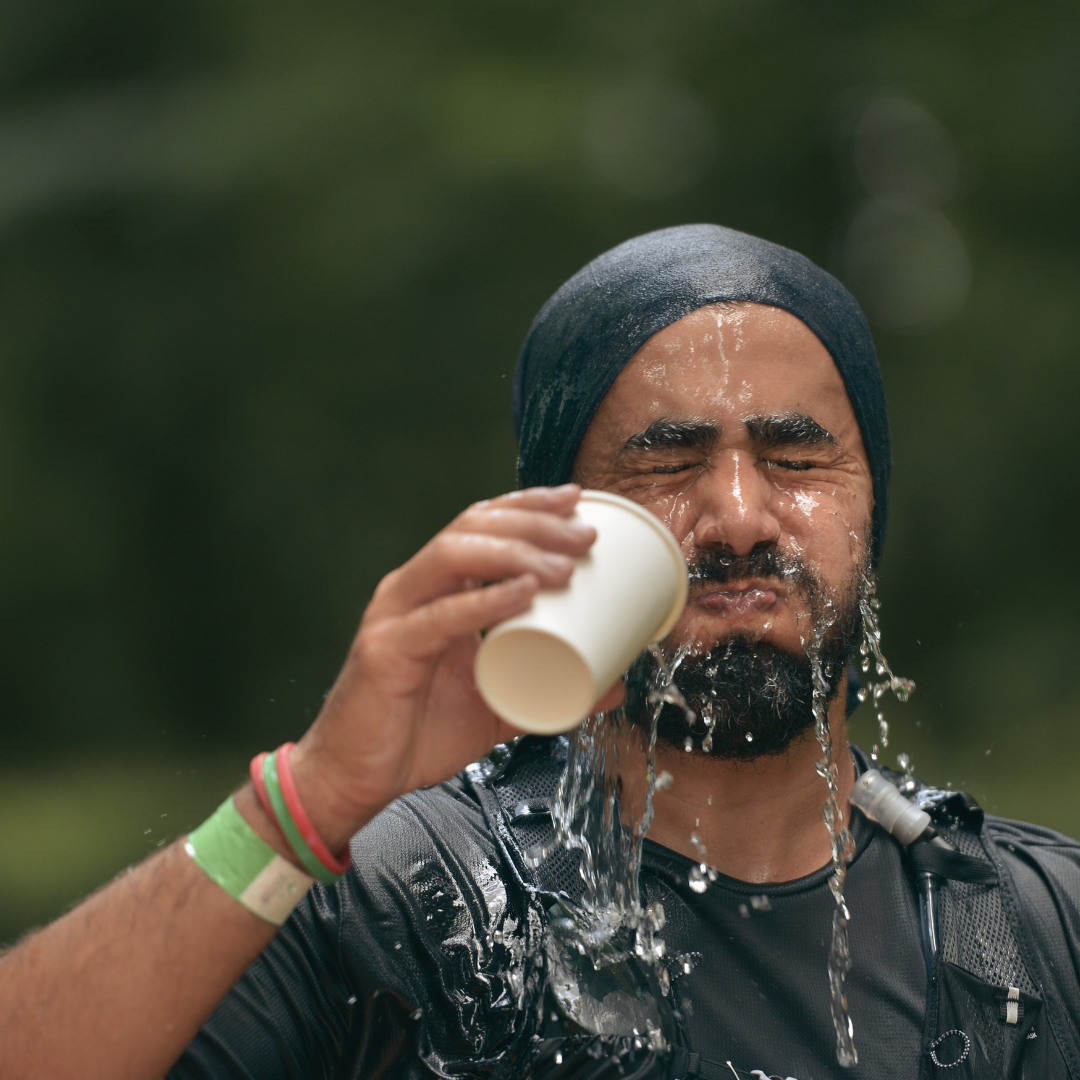

Practice Your Race-Day Nutrition
Race day should never be the first time you try a new fuelling strategy.
Longer training sessions provide a great opportunity to practice what you plan to eat and drink before and during your race. This might include testing different energy sources, hydration strategies, or timing of meals before training. Our partner, truefuels, advocates that and have handy 20 mix box of energy gels to get you started. You can also now save 20% off using code CRSTF20 at the checkout.
By practising your race nutrition ahead of time, you can reduce the risk of stomach issues and ensure your body is comfortable using the fuel you plan to rely on during your event.
Prioritise Recovery
Training adaptations happen during recovery, not during the workout itself.
Adequate sleep, balanced nutrition, and rest days allow your body to repair and rebuild after hard sessions. Without enough recovery, fatigue can accumulate and increase the risk of injury or illness in the lead-up to race day.
In the final weeks before your race, it’s important to allow your body to absorb the work you’ve done so you can arrive at the start line feeling fresh and ready.
Recovery afterwards is even more important. Our recovery partners, Ignite Recovery, will be on site to help you recover after your big race. You can secure your spot here.
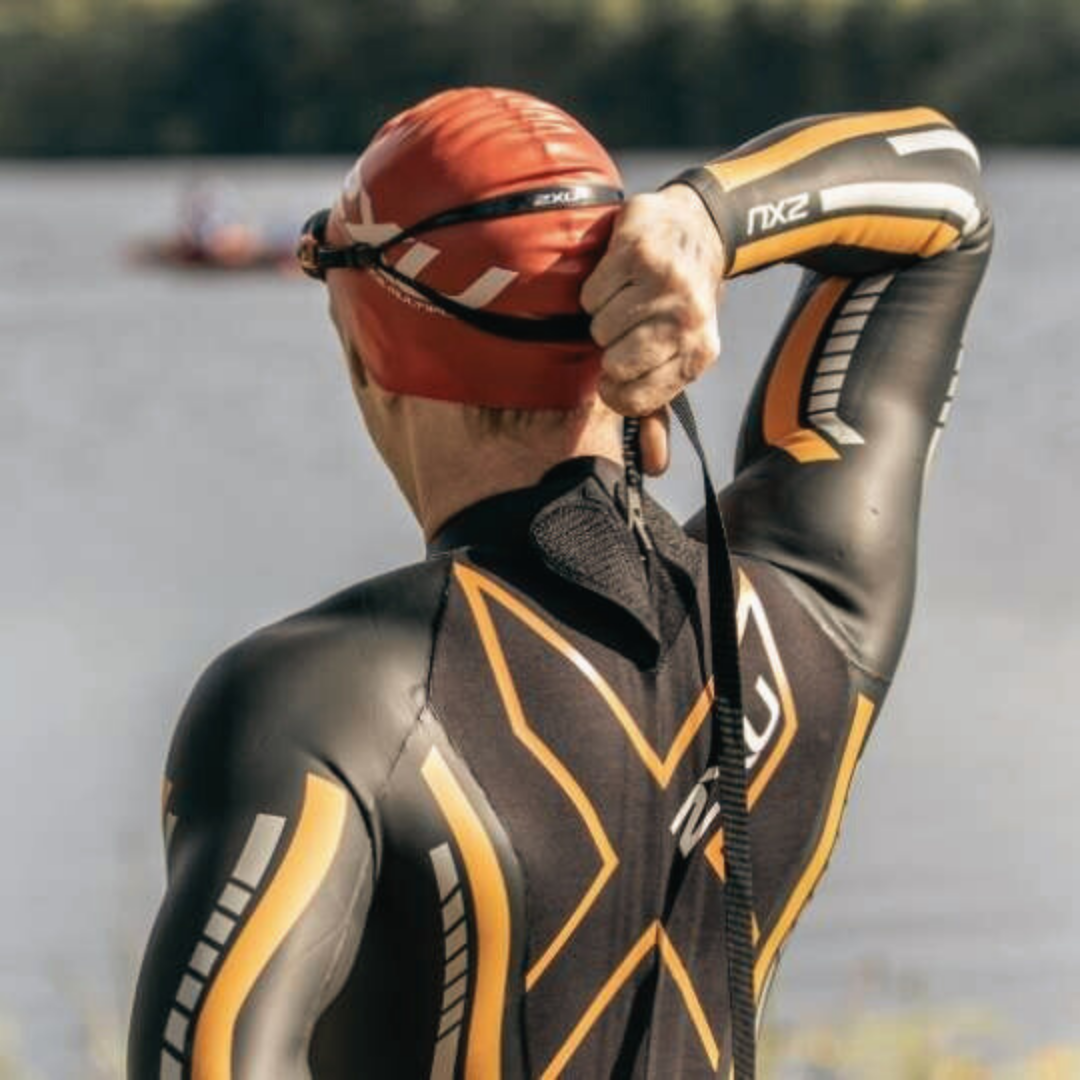

Key Takeaways
Preparing for a race isn’t just about completing the miles or sessions in your training plan. Proper fuelling, hydration, strength work, and recovery are all essential parts of the process.
By supporting your body throughout training and practising your race-day nutrition in advance, you set yourself up to arrive at the start line confident, energised, and ready to perform.
The work you do before race day is what allows you to make the most of the race itself.
DIVE IN! SIGN UP TO OUR NEWSLETTER
Keep up to date with exclusive discounts, launches and news.