


Carry the tools and spares you need to get rolling again.
Winter Training Advice
In Partnership with Tri Training Harder
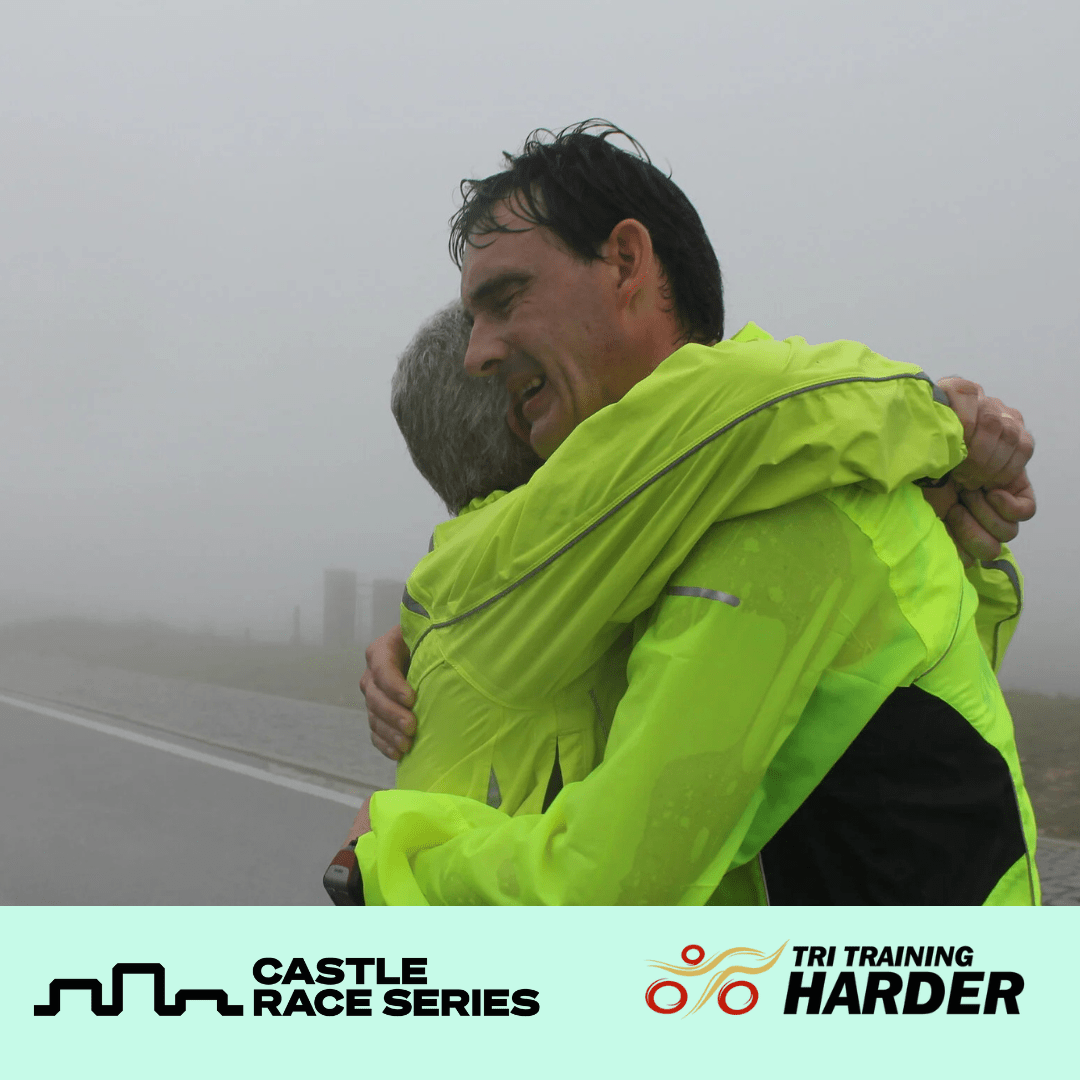
Navigating Risks in Winter
Winter makes solo training tricky: hidden ice, mud, debris and wet leaves raise the risk of spills, while short days and low sun slash visibility for everyone.
Stay safer with a few simple habits:
1. Plan your route
Get clear on where you’re going and how long it’ll take so you’re home before dark.
2. Tell someone your plan
Share your route and expected return time in case anything goes wrong.
3. Carry essential spares
The Value of Training Partners in Winter
Whenever possible, winter is an excellent time to train with others. A partner or group not only makes miserable weather feel more manageable, they also add a crucial layer of safety. If something goes wrong, someone is there to assist, call for help, or simply offer moral support.
When everything goes right, there’s nothing better than sharing a crisp winter ride or run followed by a well-earned café stop.
Get your plan
Road Conditions & Visibility
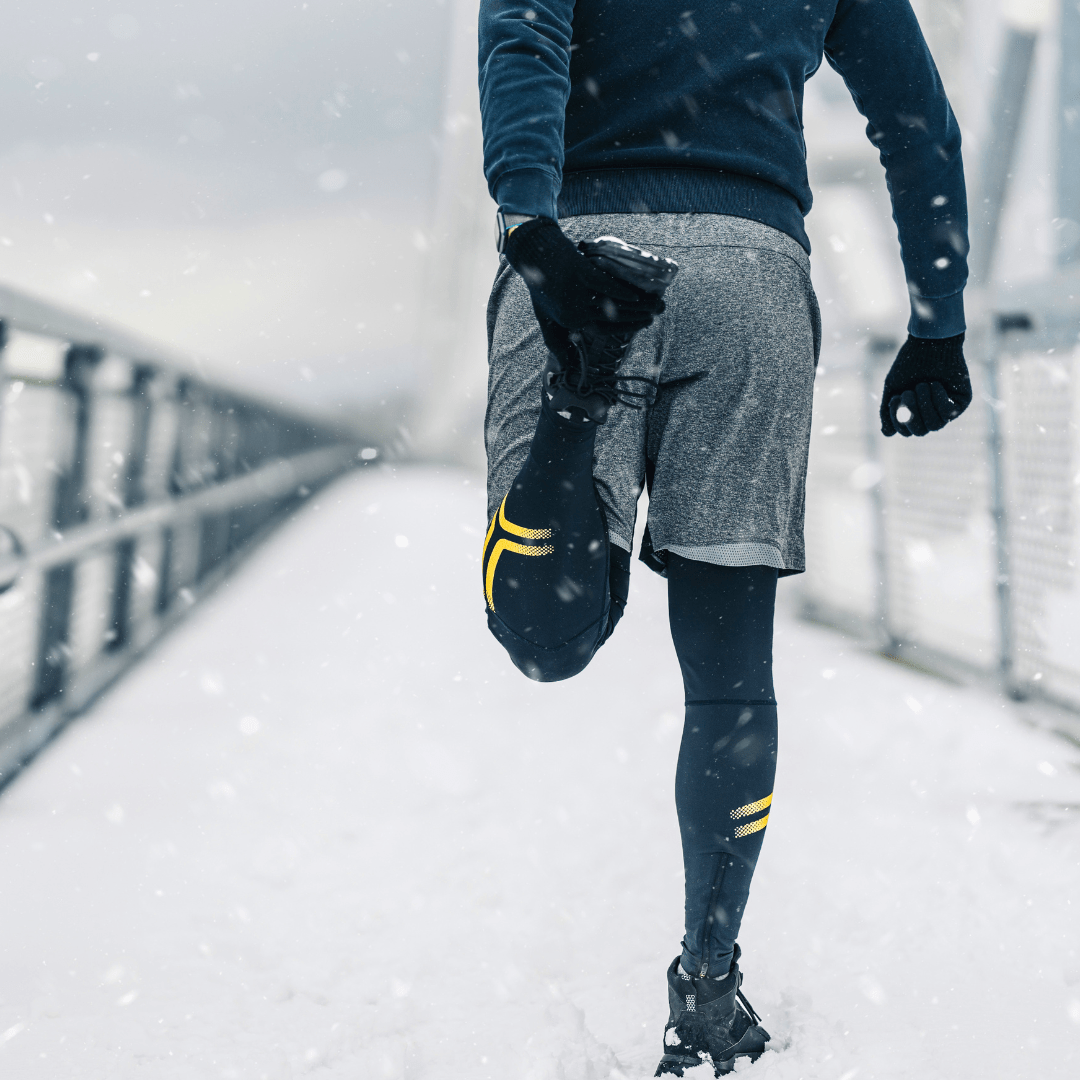
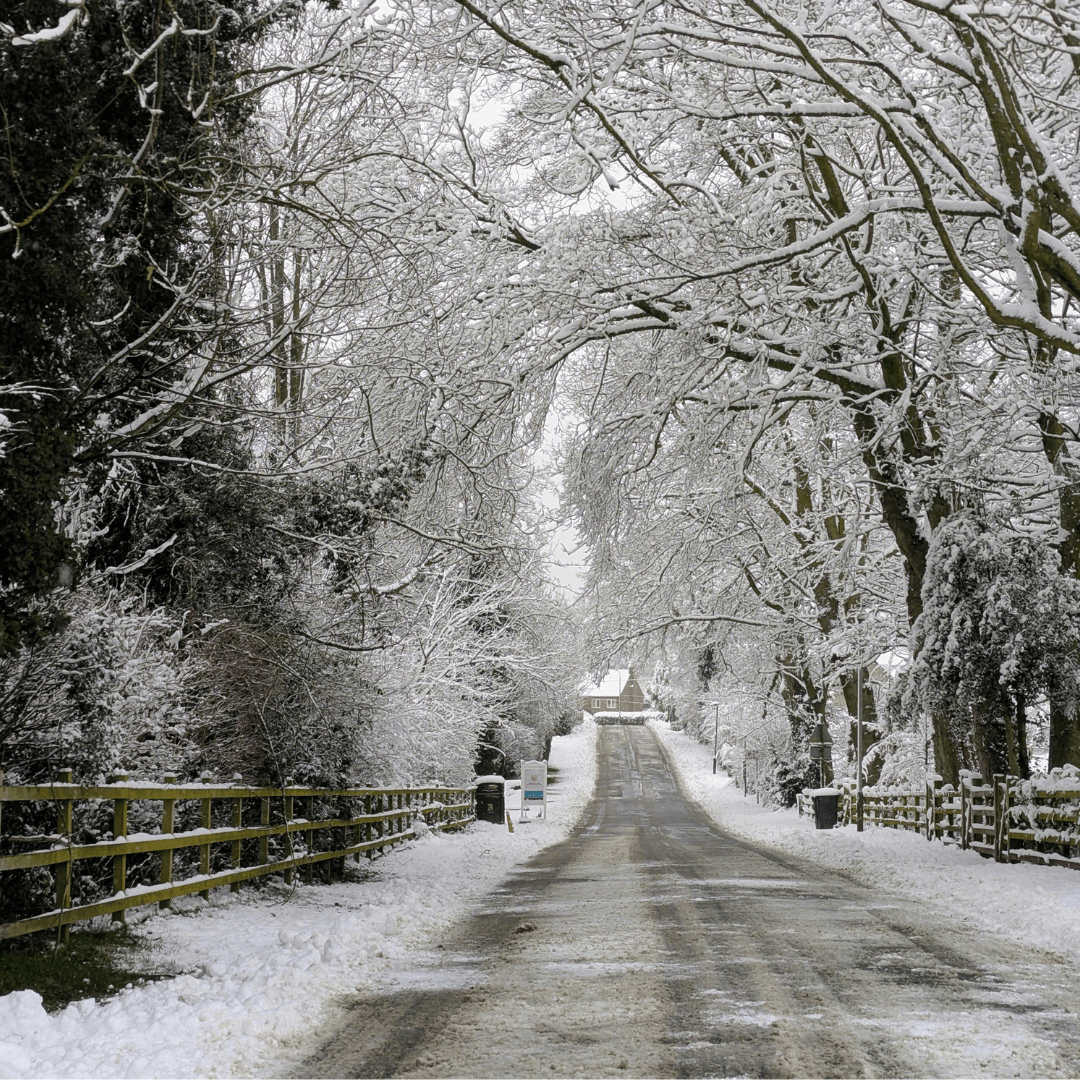
Poor weather also means poorer roads: potholes hide beneath puddles, and unexpected hazards appear more frequently. Avoid riding through standing water where possible – you never know what’s underneath. Preventing punctures or crashes is far better than trying to fix things with numb fingers.
Shorter days also mean more sessions in the dark or low light. Always ride with lights, even if you think you won’t need them. High-visibility clothing is equally important for both cycling and running. Winter is the perfect time to abandon fashion rules and embrace bright colours – better to be “the highly visible athlete out training” than “the invisible athlete in danger.”
Winter Running & Single-Discipline Events
As winter arrives, many triathletes switch to single-discipline races, especially off-road running events. But icy patches can be just as common on trails as on tarmac. If you’re racing cross-country, preview the course beforehand and consider wearing spikes for traction.
Trail and XC running demand more lateral stability than road running, so good single-leg strength is important – not only to avoid sprains, but also to build efficiency for next season. And even if these events aren’t your A-races, don’t skip your warm-up or cool-down. Shorter, colder, higher-intensity efforts require proper preparation and recovery.


Final Thoughts
Winter doesn’t mean avoiding the “big bad world.” It’s the perfect opportunity to refine cycling and running skills, build resilience, and rack up those “winter miles” that turn into “summer smiles.” Just make sure to prepare wisely: be visible, stay aware of changing conditions, train with others when possible, and let someone know where you’re going when you’re training solo.
From Castle Race Series, and with thanks to Tri Training Harder, have fun, stay safe, and enjoy your winter training!
Start your new plan
DIVE IN! SIGN UP TO OUR NEWSLETTER
Keep up to date with exclusive discounts, launches and news.