


101: Triathlon for beginners
12.01.25
If you are thinking of tackling a Triathlon in 2026, it can be overwhelming. Three sports, unfamiliar terminology, and race-day logistics can make the experience seem more complex than it needs to be. From our perspective, the key to a successful first triathlon is not perfection – it’s preparation and understanding.
We hope our beginners 101 guide covers the essential knowledge every first-time athlete should have and will give you the confidence in stepping onto the start line.
Let's start with the basics.
What is a Triathlon? A triathlon is a multi-sport endurance event completed in the following order:
- Swim
- Bike
- Run
These disciplines are completed continuously, with no pauses in the race clock. The time includes both the activities themselves and the transitions between them.
For those just starting out, the goal is not speed, it’s learning how the event flows as a single experience.
Choosing the Right Race
Not all triathlons are long-distance events. Many races are specifically designed for first-time participants.
Beginner-Friendly Race Formats
-
Super Sprint Triathlon – Short, accessible, and confidence-building
-
Sprint Triathlon – The most common first triathlon
-
Duathlon – Run-bike-run (ideal if swimming feels like a barrier)
-
Aquathlon – Swim-run (great introduction to multi-sport racing)
We are have a lot of beginner friendly races you choose from, just check out our disciplines.
Understanding transitions
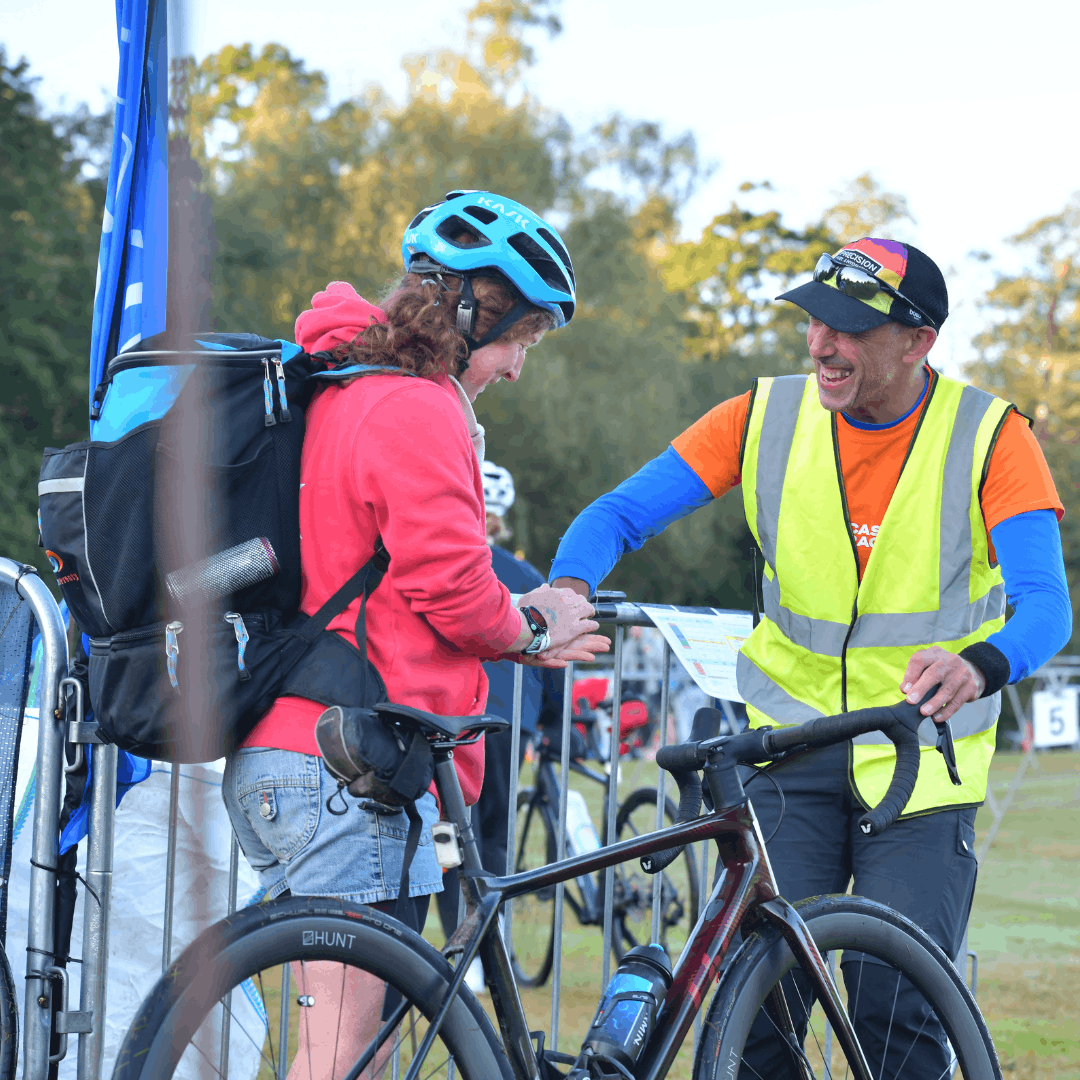
Transitions are where athletes switch disciplines, and the time counts toward the race.
-
T1: Swim → Bike
-
T2: Bike → Run
For beginners, focus on structure and calm rather than speed.
Transition basics:
-
Lay equipment out in use order
-
Practice transitions at home
-
Helmet on before touching the bike
Transitions are about efficiency, safety, and confidence – not rushing. Practice mounts and dismounts in training to get them right.

What to expect from the swim
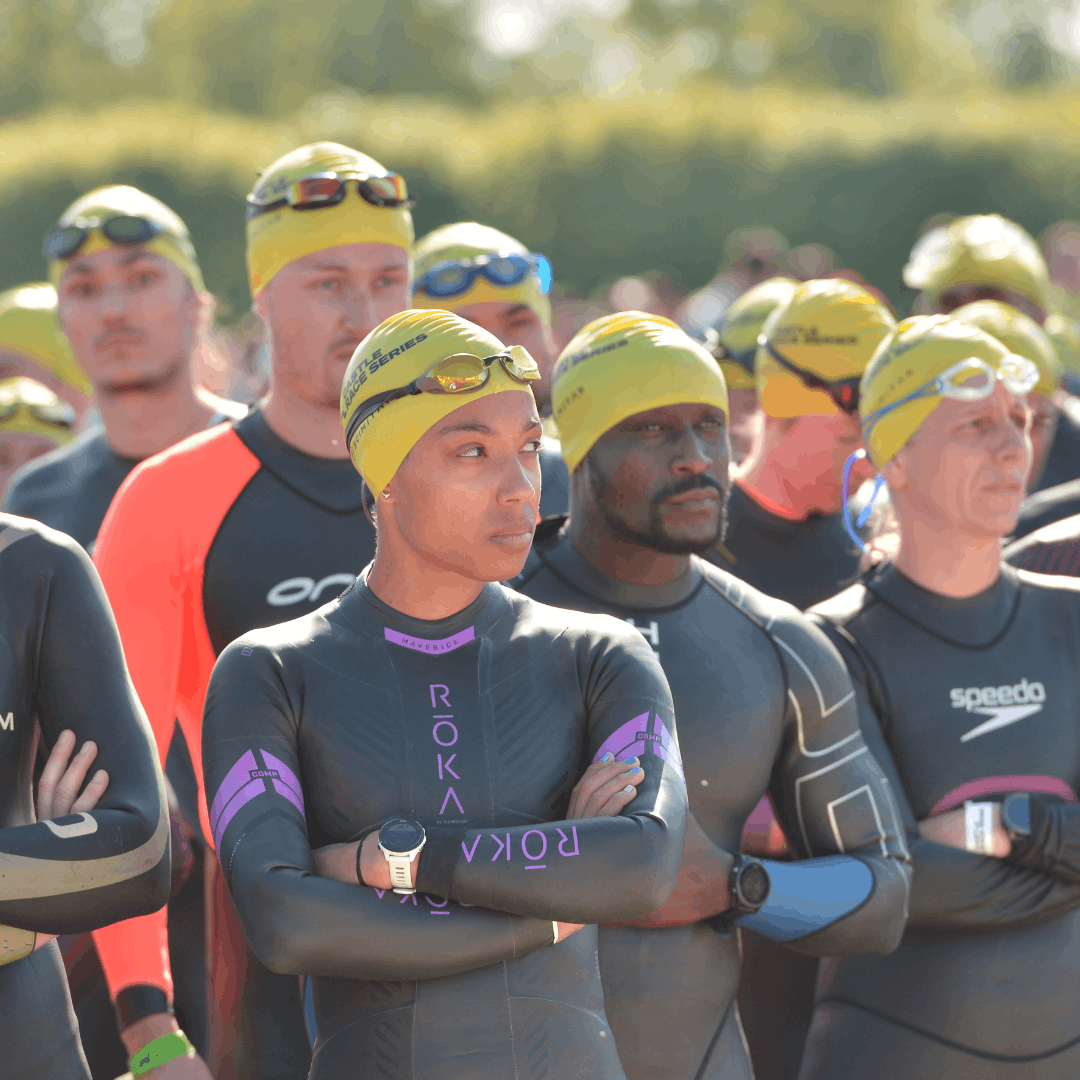
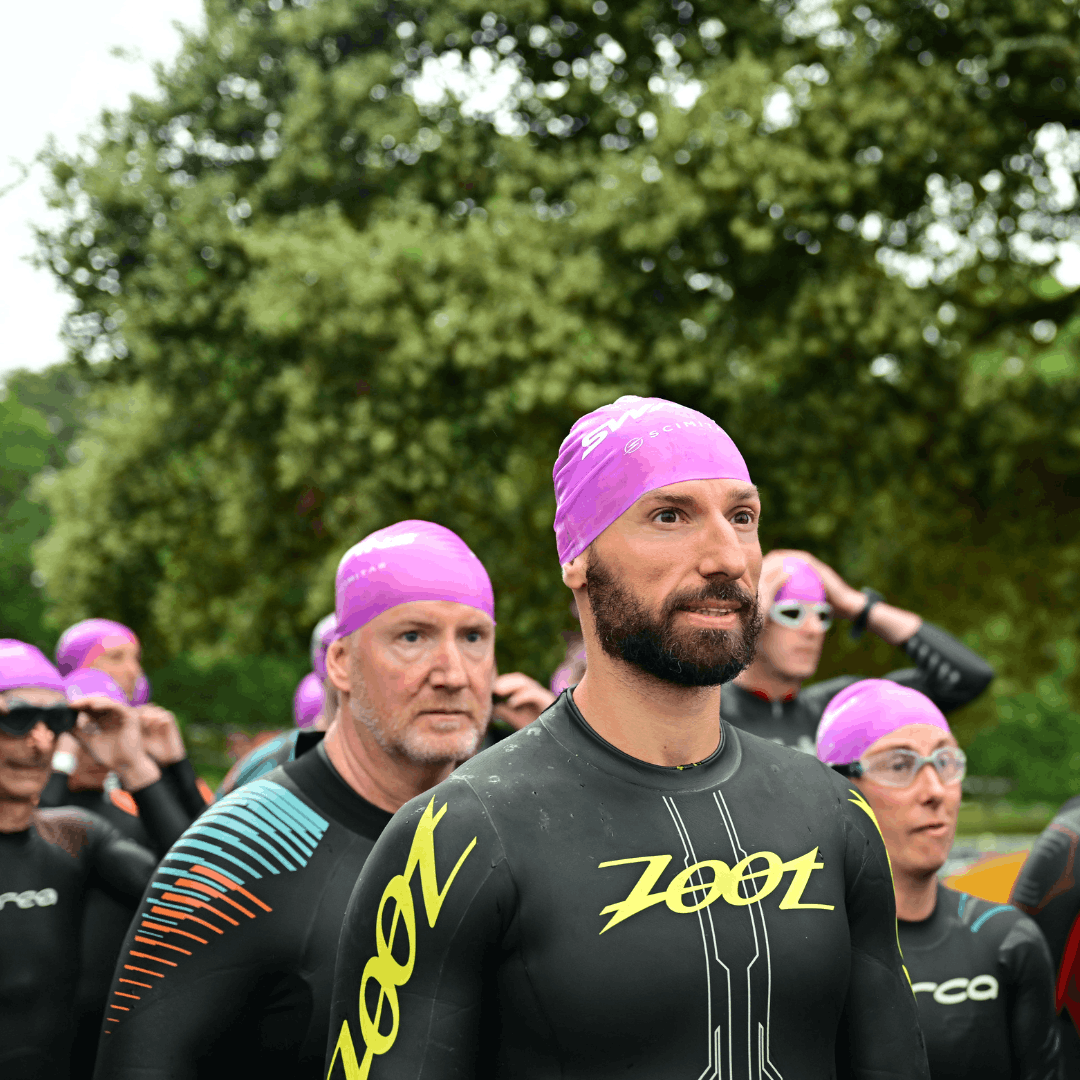
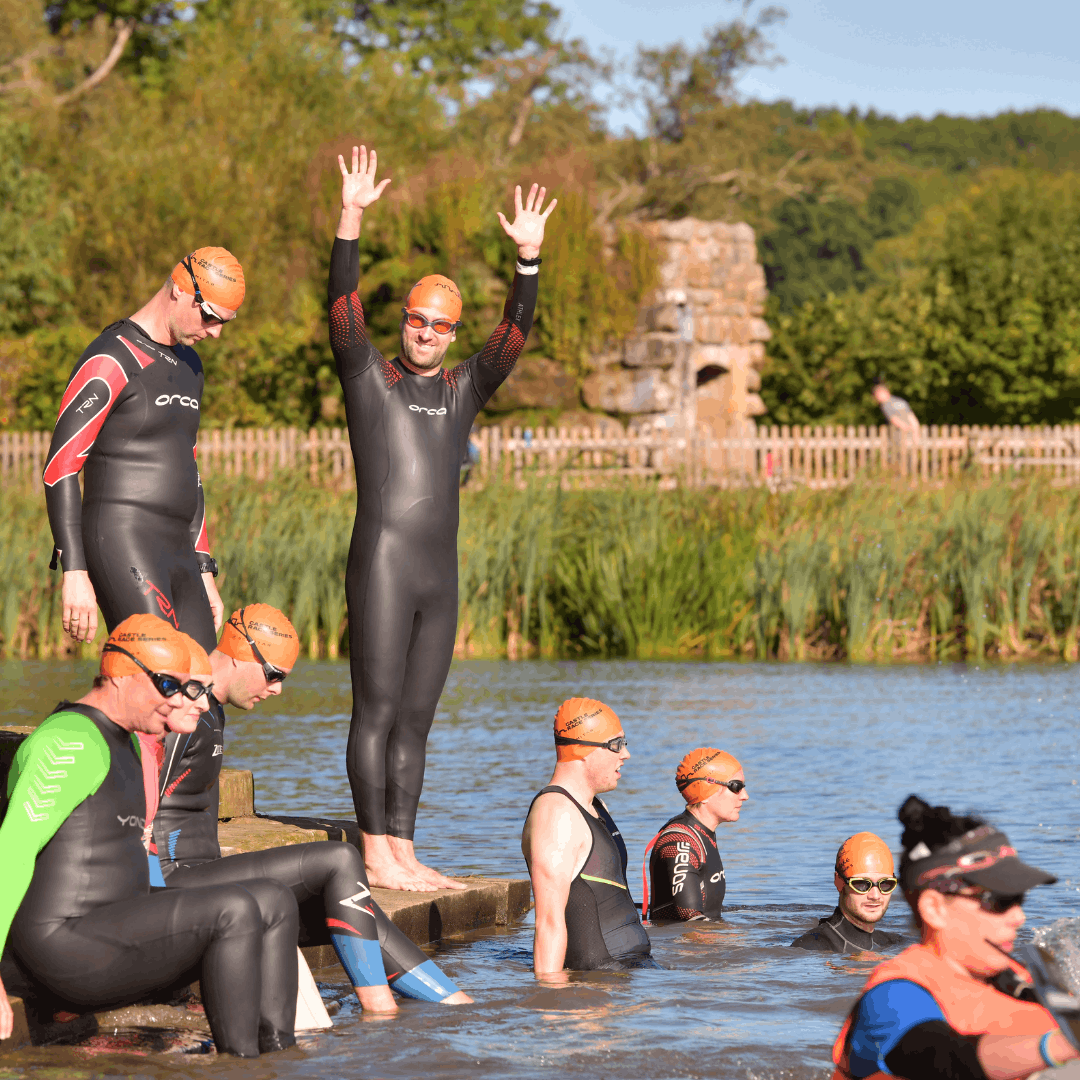
Most triathlons begin with an open water swim in a lake, river, or sea.
Key Swim Terms for Beginners
-
Wave or rolling start: Athletes start in groups rather than all at once
-
Sighting: Lifting the head to navigate toward buoys
-
Wetsuit legality: Depends on water temperature and race rules
Many beginner races allow breaststroke, resting at buoys, and a wide range of swim abilities.
The bike leg: Rules and etiquette
The bike section is typically the longest portion of the race and introduces important technical rules.
What Beginners Need to Know
-
Drafting (riding closely behind another cyclist) is usually not allowed
-
Athletes must maintain safe distances when riding
-
Mount and dismount lines must be respected
Understanding basic bike etiquette helps you feel safer and more confident on course.
The run and what to expect
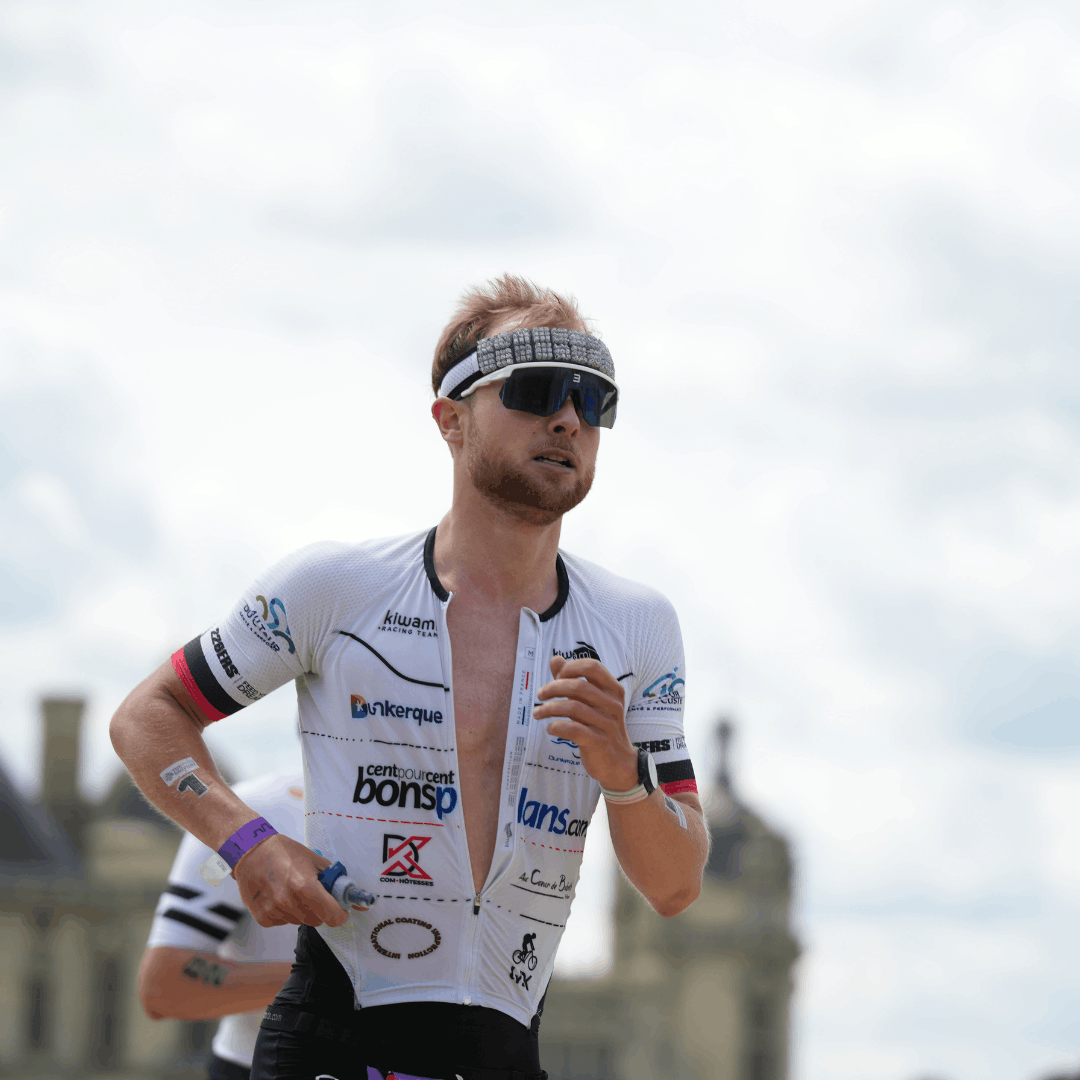
The final leg of a triathlon is often where beginners feel the most surprised. Running after cycling can feel uncomfortable at first — this is normal.
Helpful Term
-
Brick session: A training workout combining bike followed immediately by a run
This sensation improves with practice and experience and is not an indicator of poor fitness.
Success as a Beginner
Triathlon can be daunting, even for seasoned pros. For first-time triathletes, success should be measured differently.
Success includes:
-
Completing all three disciplines
-
Navigating transitions confidently
-
Managing nerves and pacing
-
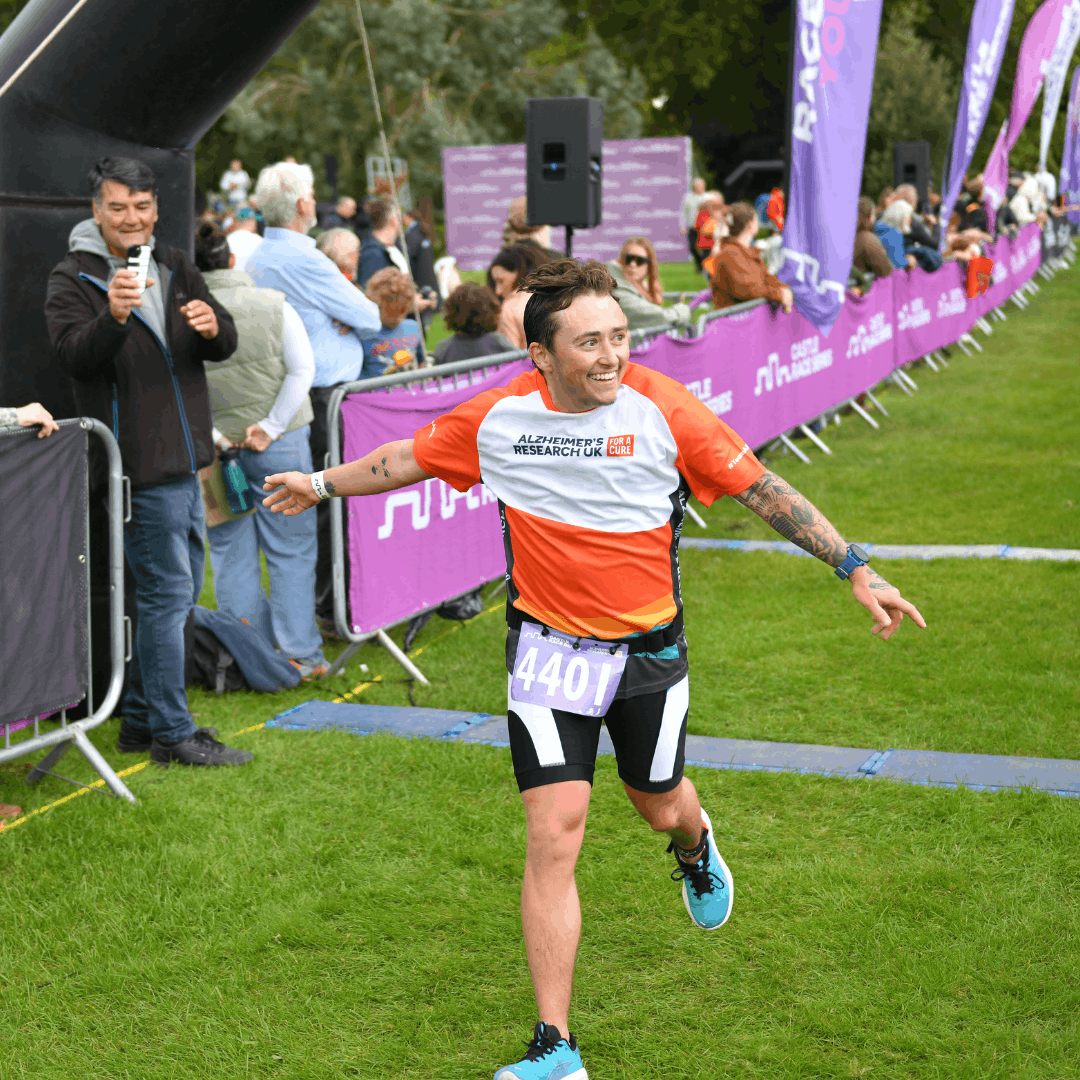
Finishing with a sense of achievement
Time, placement, and performance goals can come later.
To finish
Triathlon for beginners is about access, education, and positive first experiences. When new athletes are supported with clear guidance and realistic expectations, the sport becomes welcoming rather than intimidating.
A first triathlon is not about being race-ready, it’s about being willing to start.
With the right knowledge and mindset, that first race becomes the foundation for long-term confidence, enjoyment, and growth in the sport.
DIVE IN! SIGN UP TO OUR NEWSLETTER
Keep up to date with exclusive discounts, launches and news.